
What devalues a house the most in Edmonton in 2026?
Selling a property is stressful enough without discovering your asking price needs a major reality check. The Edmonton real estate landscape in 2026 presents a unique set of challenges for homeowners. A wave of new inventory has hit the market, giving buyers more choices and plenty of room to negotiate. Because buyers are not rushing to make offers, properties with noticeable flaws sit on the market longer.
Understanding exactly what pulls down a property’s price is critical for sellers who want to maximize their return. Small problems can quickly translate into lower appraisals and cautious buyers. In a competitive market where homes average roughly two months on the market before selling, you cannot afford to overlook the details.
This guide explores the most significant factors pulling down property prices in the current market. By identifying these pitfalls early, you can take corrective action, protect your equity, and position your property to attract top-dollar offers.
Market Trends: Economic Factors Impacting Property Value in Alberta
The Greater Edmonton Area real estate market entered 2026 with a high inventory start. Inventory levels rose substantially compared to the previous year, transitioning the landscape into a highly competitive environment for sellers. Buyers now have the luxury of time and choice, which naturally drives down the tolerance for imperfect properties.
Economic variables across Alberta also play a major role in shaping local buyer budgets. Fluctuating interest rates and living costs dictate how much mortgage an average family can carry. When money is tighter, buyers look for move-in-ready spaces. They specifically avoid properties requiring immediate, large-scale investments. An average detached home price in early 2026 sits around $556,000, but reaching that number requires a property to show well and function flawlessly. If your home signals a need for costly repairs, savvy buyers will instantly deduct those estimated costs from their offering price.
Top 10 Factors That Devalue Edmonton Homes in 2026
Buyers walk through a home mentally calculating future expenses. Here are the leading issues that drag down property values right now:
- Water damage and poor grading: Signs of moisture or an improperly sloped yard send buyers running.
- Old roofs: Roofs nearing the 15-year mark are massive liabilities, often complicating insurance coverage.
- Outdated electrical systems: Aluminum wiring or ungrounded outlets present severe fire risks.
- Aging plumbing: Polybutylene pipes or heavily corroded fixtures indicate expensive future leaks.
- Deferred routine maintenance: Chipped paint, uncaulked joints, and broken seals suggest a history of neglect.
- Unpermitted renovations: DIY basement developments or deck additions without proper city permits create legal headaches.
- Proximity to major construction: Endless noise and traffic from infrastructure projects drive down immediate buyer interest.
- Odors and stigmas: Lingering cigarette smoke, pet smells, or a history of criminal activity severely limit a home’s appeal.
- Inefficient windows and insulation: With high utility costs, drafty homes are highly undesirable.
- Over-personalized aesthetics: Highly specific tile choices, unusual paint colors, or converted bedrooms limit the buyer pool.
Structural Issues and Deferred Maintenance Costs
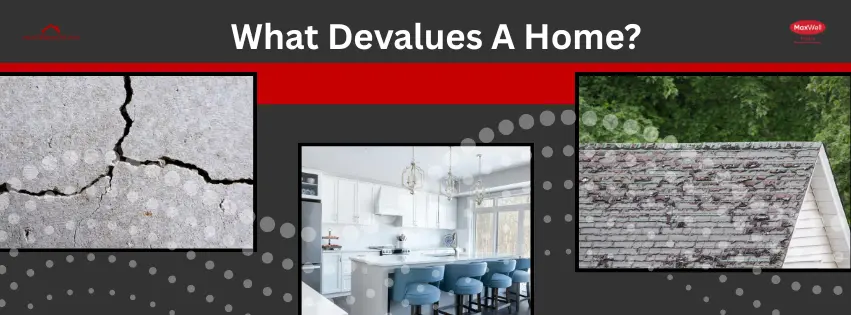
Structural integrity is the absolute foundation of a property’s worth. A shifting foundation, deep concrete cracks, or a sagging roofline will devalue a house faster than almost any other defect. Buyers rely on home inspections, and structural red flags often cause deals to fall through completely.
Beyond the major structural elements, routine deferred maintenance silently erodes your home’s value. Insurers in 2026 are increasingly strict about maintenance-related claims. They expect homeowners to perform regular upkeep. Damage resulting from gradual wear and tear—like slow leaks from damaged flashing or structural cracking tied to poor drainage—is frequently denied by insurance companies. When buyers see worn shingles, deteriorating concrete, or neglected HVAC systems, they foresee a nightmare of out-of-pocket repair bills and denied insurance claims. They will lower their bids accordingly.
Outdated Interiors vs. Modern Smart Home Expectations
Aesthetics dictate the emotional connection a buyer forms with a property. Kitchens and bathrooms still sell houses, but the standards have shifted. Homes featuring honey-oak cabinets, laminate countertops, and walled-off floor plans feel antiquated to the 2026 buyer.
Technology integration is also becoming a standard baseline rather than a luxury perk. Buyers look for programmable thermostats, smart security systems, and energy-efficient appliances. An older property lacking basic energy efficiency measures feels like a financial burden. Upgrading old appliances and swapping outdated lighting fixtures for energy-efficient LEDs can bridge the gap between an old-fashioned interior and a modern buyer’s expectations.
Neighborhood Specifics: Proximity to Commercial Zoning and Transit Changes
Location is famously the most rigid aspect of real estate. However, a neighborhood’s dynamic can change around you. Edmonton’s comprehensive Zoning Bylaw Renewal, which took full effect in 2024 and saw subsequent amendments like Bylaw 21202 for small-scale residential zones, changed what can be built next door. Increased density and commercial proximity are fantastic for urban accessibility, but sudden shifts in traffic and parking availability can deter families looking for quiet, low-traffic streets.
Additionally, massive public transit projects carry short-term pains for long-term gains. The Valley Line West LRT construction continues to cause major disruptions along corridors like 104 Avenue and Stony Plain Road. While the finished LRT will eventually boost property values through enhanced connectivity, selling a home during active construction requires navigating buyer objections to road closures, noise, and dust. If your property is heavily impacted by these temporary neighborhood growing pains, expect buyers to push for a discount.
Environmental Concerns: Flood Risks and Winter Weatherproofing Neglect
Alberta’s climate puts homes to the test. With the City of Edmonton releasing preliminary neighborhood flood maps and the provincial government emphasizing flood awareness, environmental risk is a prominent concern. Buyers and insurance companies heavily scrutinize properties in designated flood fringe zones or areas with a history of surface ponding.
Basement flooding is a major fear. If a property lacks a functioning sump pump, a backwater valve, or proper lot grading that pulls water away from the foundation, buyers will view the home as a severe flood risk.
Winter weatherproofing is equally critical. Failing to properly seal a home against harsh Edmonton winters leads to moisture intrusion and ice damming. Drafty windows and poor attic insulation force heating systems to work overtime, resulting in exorbitant utility bills. Properties that fail to demonstrate robust winter readiness will invariably suffer a blow to their market value.
Proactive Steps to Protect Your Property Investment
Protecting your home's value requires a proactive approach rather than a reactive scramble right before listing. You must tackle the unglamorous tasks first. Fix the leaky pipes, repair foundation cracks, and replace the aging water heater. Buyers are far more likely to forgive an outdated kitchen than a failing roof.
Next, keep meticulous records. Gather your maintenance receipts, warranty documents, and permits for any work completed. Handing a prospective buyer a binder full of proof that the home has been loved and maintained instantly builds trust and justifies your asking price.
Finally, seek professional guidance early. Our local real estate agents can help you navigate the 2026 market dynamics and tell you exactly which minor updates will yield the highest return. By understanding the factors that devalue a house the most in Edmonton, you can strategically position your property to secure the best possible outcome.
Posted by Admin . onEnjoy this blog post? Click here to subscribe for updates
Leave A Comment